In the rapidly evolving landscape of digital finance, cryptocurrency mining (often referred to simply as "mining") has emerged as a foundational process that underpins the functionality of many decentralized networks. At its core, mining involves solving complex mathematical puzzles to validate transactions and secure blockchain networks, and in return, miners are rewarded with newly created digital assets. To fully grasp this dynamic field, understanding key abbreviations—such as PoW (Proof of Work), ASIC (Application-Specific Integrated Circuit), and BTC (Bitcoin)—is essential, as they encapsulate the technology, economics, and culture driving this global phenomenon.
What Is Cryptocurrency Mining?
Cryptocurrency mining is the process by which new units of a digital currency are created and transactions are added to a blockchain ledger. Unlike traditional banking systems, where a central authority verifies transactions, blockchains rely on a distributed network of "miners" who compete to solve cryptographic problems. The first miner to solve the puzzle gets to add a "block" of transactions to the chain and receives a reward, typically in the form of the cryptocurrency itself or transaction fees.
This process is integral to the security and integrity of blockchains. By requiring miners to expend computational effort (a concept known as "proof of work"), the network prevents malicious actors from easily altering transaction history or double-spending coins.
Key Abbreviations in Cryptocurrency Mining
The mining ecosystem is rife with technical and industry-specific abbreviations. Here are some of the most critical:
- PoW (Proof of Work): The consensus mechanism used by many cryptocurrencies, including Bitcoin (BTC). PoW demands miners perform intensive computational tasks to validate transactions, ensuring network security but consuming significant energy.
- ASIC (Application-Specific Integrated Circuit): Specialized hardware designed exclusively for mining cryptocurrencies like Bitcoin. Unlike general-purpose GPUs (Graphics Processing Units), ASICs offer superior hashing power (the speed at which puzzles are solved), making them the preferred choice for large-scale miners.
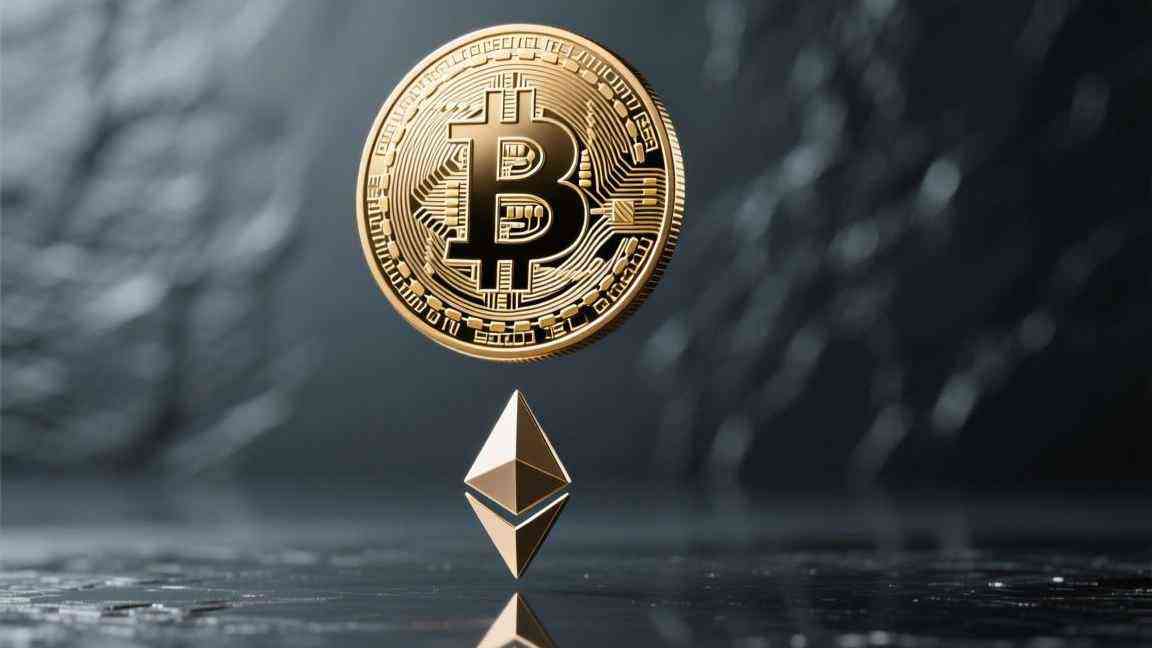
- BTC (Bitcoin): The first and most well-known cryptocurrency, often used as a shorthand for the broader digital asset market. Bitcoin mining is the most recognized form of cryptocurrency mining, though it has become increasingly competitive and resource-intensive over time.
- ETH (Ethereum): The second-largest cryptocurrency, historically mined using GPUs. However, Ethereum transitioned to a Proof of Stake (PoS) mechanism in 2022, rendering traditional mining obsolete for its network and shifting the focus to "staking" (locking coins to validate transactions).
- GPU (Graphics Processing Unit): A versatile piece of hardware initially designed for gaming and graphics rendering, but widely adopted for mining cryptocurrencies like Ethereum(pre-2022) and various altcoins (alternative cryptocurrencies).
- Mining Pool: A collective of miners who combine their computational resources to increase their chances of solving a puzzle and earning rewards. Rewards are then distributed proportionally among pool members, reducing the volatility of individual mining efforts.
The Process: From Puzzle to Reward
Cryptocurrency mining follows a structured workflow:
- Transaction Selection: Miners gather unconfirmed transactions from the network and group them into a candidate block.
- Puzzle Solving: Using their hardware (ASICs, GPUs, etc.), miners compete to solve a cryptographic hash function (e.g., SHA-256 for Bitcoin). This requires trial-and-error computations until a specific "target" hash is found.
- Block Validation: Once a miner solves the puzzle, they broadcast the block to the network. Other nodes verify its validity, ensuring no fraudulent transactions are included.
- Reward Distribution: The validating miner receives a block reward (e.g., 6.25 BTC as of 2023, scheduled to halve every four years) plus transaction fees from the block.
Challenges and Criticisms
While mining has fueled the growth of cryptocurrencies, it is not without controversy:
- Energy Consumption: PoW mining requires massive amounts of electricity, leading to concerns about its environmental impact. For example, Bitcoin mining alone consumes more energy annually than some small countries.
- Centralization Risks: The high cost of ASICs and electricity has concentrated mining power in the hands of large entities or "mining farms," potentially undermining the decentralized ethos of blockchain technology.
- Regulatory Uncertainty: Governments worldwide are grappling with how to regulate mining, with some countries imposing bans or restrictions due to environmental or financial stability concerns.
The Future of Mining
As the industry evolves, trends such as the rise of eco-friendly mining (powered by renewable energy), the development of more efficient hardware, and the shift toward PoS mechanisms (like Ethereum’s) are reshaping the landscape. For now, however, mining remains a cornerstone of cryptocurrency networks, driving innovation while sparking debates about sustainability and decentralization.
In conclusion, cryptocurrency mining—abbreviated and acronym-rich as it is—represents a complex interplay of technology, economics, and environmental science. From the humble origins of Bitcoin mining to the sophisticated ASIC farms of today, this process continues to define the future of digital currency, even as it adapts to the challenges of a rapidly changing world.

